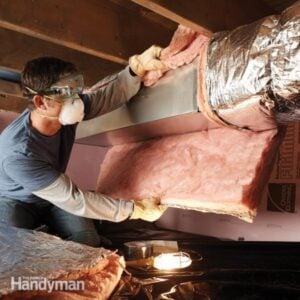
Save money this winter with making a few adjustments on your duct work. Insulating your home’s duct work may be an investment for a future home with lower utility bills, less wear and tear on your heating and cooling system, and better maintenance on the temperature inside your home.
According to the Department of Energy, 20% to 30% of the heated and cooled air coming through the ducts is lost due to leaks and poor insulation. While this may not seem like a lot, this can add up over time.
If you are concerned about your duct work:
1. Evaluate your ducts to determine how extreme the difference is between inside the duct and its surrounding areas. These differences can determine how much insulation is needed.
2. Investigate what type of duct insulation that you will need. Duct-insulation sleeves, foil-backed self-adhesive foam insulation, fiberglass and cotton insulation, and foil-backed bubble wrap all serve different purposes and are for the different areas where your duct work is located.
3. Consider the R-value of your insulation and whether or not it is meeting its full potential to seal in or allow the escape of the heat in your system.
For a step-by-step process to locate, test, and seal your duct work yourself, the Zillow Porchlight blog, Sealing and Insulating Your Ductwork, provides great insight into this DIY project. While there are companies that can perform this task for you, it can be an at-home, yet sometimes messy, project.
Once your ducts are sealed and insulated, a company can come and retest your duct work for any leaks or mishaps that may have occurred. The Residential Energy Services Network, RESNET, offered by the Department of Energy can locate a technician that is best for you. This test can guarantee that your insulation was installed properly and that your future utility bills will decrease.