If you are thinking about selling your home in Fenton, confidence starts with a clear plan. Even in a market with solid demand, the homes that sell smoothly and protect the seller’s bottom line are usually the ones priced well, prepared carefully, and timed thoughtfully. This guide will walk you through what today’s Fenton market is showing, how to prepare your home, and which decisions can help you move forward with less stress. Let’s dive in.
Fenton Market Conditions Matter
If you only look at one headline number, it is easy to get the wrong idea about the market. In March 2026, Redfin reported a median sale price of $450,000 in Fenton, up 28.9% year over year, with homes averaging 29 days on market. Zillow, updated April 30, 2026, reported an average home value of $353,468, 60 active listings, a median sale price of $334,988, and median days to pending of 5.
Realtor.com reported a median listing price of $340,000 and 45 homes for sale. These numbers are not necessarily in conflict. They reflect different slices of the market, including sold homes, list prices, and how quickly homes are moving.
That matters because your home is not the market in general. Your result will depend on your home’s condition, updates, location, price point, and how well your sale is managed from the start.
Nationally, inventory remained constrained in March 2026 at 4.1 months of supply, which was still below historical norms. That can help support seller activity, but it does not mean every home should be listed aggressively. In a market like Fenton, accuracy still matters.
Price for Your Likely Buyer
The goal is not just to name a high number. The goal is to attract serious buyers, create strong early interest, and protect your net proceeds. That usually starts with pricing based on your home’s size, condition, amenities, upgrades, needed repairs, and current market conditions.
A smart pricing plan also accounts for what a buyer’s lender and appraiser may support. If your asking price stretches well beyond likely appraisal value, that can create problems later even if you receive an offer quickly. Strong pricing is about what the market can realistically support, not just what sounds good on day one.
Overpricing can cost you in two ways. First, it can slow down showings and reduce urgency. Then, if your home sits too long, you may need a price cut later, which can weaken your position.
NAR says homes priced more than 3% above the correct price tend to take longer to sell. It also notes that if a home has been on the market for more than 30 days without an offer, a price reduction should at least be considered. For Fenton sellers, that is a useful benchmark when deciding whether to adjust early or wait.
Why the Highest Offer Is Not Always Best
When offers come in, price is only one part of the picture. Financing terms, contingencies, timing, and the buyer’s overall ability to close can matter just as much. A slightly lower offer with cleaner terms may leave you with a better outcome than a higher offer loaded with risk.
That is especially important if you are also buying another home. If your timing is tight, the best offer may be the one that gives you the smoothest path to your next move.
Prepare Your Home Before You List
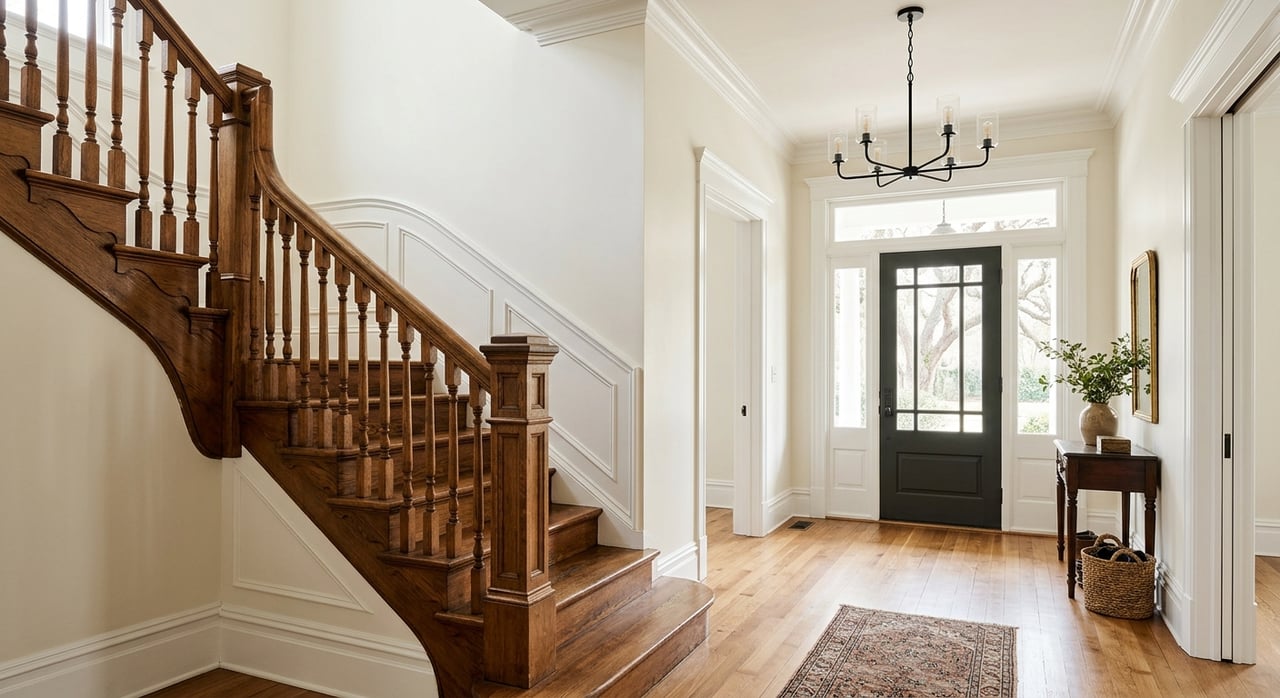
Presentation has a direct effect on buyer confidence. Before your home goes live, it helps to think like a buyer seeing it for the first time online and then in person. Clean, bright, uncluttered homes usually create a better first impression and make it easier for buyers to picture themselves in the space.
NAR recommends getting your home market-ready at least two weeks before showings begin. That prep period can give you time to handle repairs, deep cleaning, decluttering, and any touch-ups that support stronger photos and better traffic.
A pre-sale inspection is optional, but it can be useful. It may identify roof, plumbing, electrical, HVAC, mold, radon, lead-paint, or asbestos issues before a buyer finds them. That gives you more control over how to address concerns and can reduce surprises during the contract period.
Focus on the Areas Buyers Notice Most
If you are deciding where to spend time and money, prioritize the rooms buyers tend to focus on first. According to NAR’s 2025 staging report, the most commonly staged rooms were the living room, primary bedroom, dining room, and kitchen. Those spaces often do the heavy lifting when buyers decide how they feel about a home.
The same report found that 29% of agents said staging increased offers by 1% to 10%, while 49% said staging reduced time on market. You do not always need a full redesign. Often, a simpler plan with furniture editing, better lighting, fresh bedding, and cleaner surfaces can make a meaningful difference.
Photos Are a Priority
Online presentation is not optional anymore. NAR reported that buyers’ agents viewed photos, videos, and virtual tours as very important listing elements, with photos ranking highest. That means your pre-listing prep is not just for in-person showings. It also shapes how buyers respond before they ever book an appointment.
In practical terms, this means you want your home ready before photography day. Last-minute cleaning and rushed staging can show up in the final images.
Confirm Permits for Past Work
If you have completed major improvements, it is smart to confirm permit status early. Fenton’s Community Development Department issues municipal zoning approval for construction, reconstruction, conversion, structural alteration, enlargement, or extension. The city also contracts with St. Louis County for building permits and related inspections.
This can be especially relevant if you finished a basement, added a deck, changed structural elements, or completed other major work. Checking this before listing can help avoid delays when buyers start asking questions. It can also give you time to gather paperwork that supports the home’s value and condition.
Plan the Sale Around Your Next Move
Many Fenton sellers are not just selling. They are also trying to buy their next home in the same general area. That adds a layer of timing and contract strategy that should be discussed early, not after your home is already under contract.
Several contract provisions can help manage this transition. Common clauses include financing, appraisal, inspection, home-sale, home-close, title, homeowners insurance, early move-in, continue-to-show, kick-out, and rent-back provisions. The right mix depends on your goals, timeline, and risk tolerance.
Contract Tools That Can Help
Here are a few tools that may be useful when coordinating a move:
- Home-sale contingency: Helps protect a buyer if they need their current home to sell first.
- Home-close contingency: Ties one closing to another so the move is easier to coordinate.
- Continue-to-show clause: Allows a seller to keep showing the home in some situations.
- Kick-out clause: Gives a seller more flexibility if a better offer comes in while a contingent buyer is still working through a sale.
- Rent-back clause: Lets a seller stay in the home for a period after closing.
- Appraisal contingency: Protects financed buyers if the property does not appraise at the contract price.
If you need to buy before your current home sells, bridge financing may also be an option. NAR notes that bridge loans can help a buyer move quickly without selling first, though costs, structure, and lender requirements vary.
Address Disclosures Early
Missouri sellers should think about disclosures at the beginning of the process. Waiting until the last minute can create stress and increase the chance of avoidable issues. A cleaner process starts with gathering what you know about the home while there is still time to answer questions and update documents.
Under Missouri law, sellers must provide written disclosure of known methamphetamine production on the premises and certain meth-related convictions, as well as known radioactive or hazardous contamination. Missouri law also states that psychologically impacted real property does not have to be disclosed.
Missouri REALTORS indicates that the seller disclosure statement for residential property is typically completed when the listing contract is entered. If new information is discovered before closing, it should be updated. That is another reason to start early and review your records before your home hits the market.
Lead-Based Paint for Older Homes
If your home was built before 1978, lead-based paint rules are another item to address before listing. Sellers must disclose known lead-based paint hazards and provide the approved lead hazard pamphlet before the sale. If your home falls into that age range, it is worth gathering this information before photos, inspections, or repair planning begin.
Keep Tax Timing in Mind
Property taxes can affect how you think about net proceeds and timing. If you believe your St. Louis County property assessment is off, there is an important deadline to know. The Board of Equalization says appeals must be filed by the second Monday in July.
That deadline may matter if you are deciding whether to resolve a tax concern before listing or shortly after receiving a reassessment notice. Even if it does not change your sale timing, it can still factor into your financial planning.
A Confident Sale Starts With a Clear Plan
Selling your Fenton home with confidence is usually not about chasing the highest possible list price. It is about making a series of smart decisions that work together: pricing accurately, preparing the home well, confirming paperwork, and building a plan for your next move. When those pieces are handled early, you are more likely to attract serious buyers and move forward with fewer surprises.
If you are thinking about selling in Fenton and want direct, local guidance on pricing, timing, and preparation, connect with The Becky O'neill Real Estate Team. Their experience in Fenton and the surrounding suburbs can help you build a plan that fits your goals.
FAQs
What is the Fenton, MO housing market like for sellers right now?
- Fenton remains an active market, with March 2026 data showing strong pricing and relatively quick movement, but sellers still need accurate pricing and solid presentation to get the best result.
How should I price my Fenton home before listing?
- Your price should reflect your home’s size, condition, updates, amenities, needed repairs, and current market conditions, while also staying within a range likely to be supported by appraisal.
Should I get a pre-sale inspection before selling a home in Fenton?
- A pre-sale inspection is optional, but it can help you identify issues such as roof, plumbing, electrical, HVAC, mold, radon, lead-paint, or asbestos concerns before buyers discover them.
What rooms matter most when preparing a Fenton home for sale?
- The living room, primary bedroom, dining room, and kitchen are often key focus areas because they are commonly staged and tend to have a strong impact on buyer impressions.
Do I need to check permits before listing my Fenton home?
- If you completed major work like a basement finish, deck addition, or structural changes, it is wise to confirm permit and inspection records early because buyers may ask about them.
What Missouri disclosures should sellers think about early?
- Missouri sellers should be ready to disclose known methamphetamine production on the property, certain meth-related convictions, and known radioactive or hazardous contamination, and older homes may also require lead-based paint disclosure.
Can I sell my Fenton home and buy another one at the same time?
- Yes, and contract tools like home-sale contingencies, home-close contingencies, continue-to-show clauses, kick-out clauses, rent-back agreements, and bridge financing may help depending on your situation.