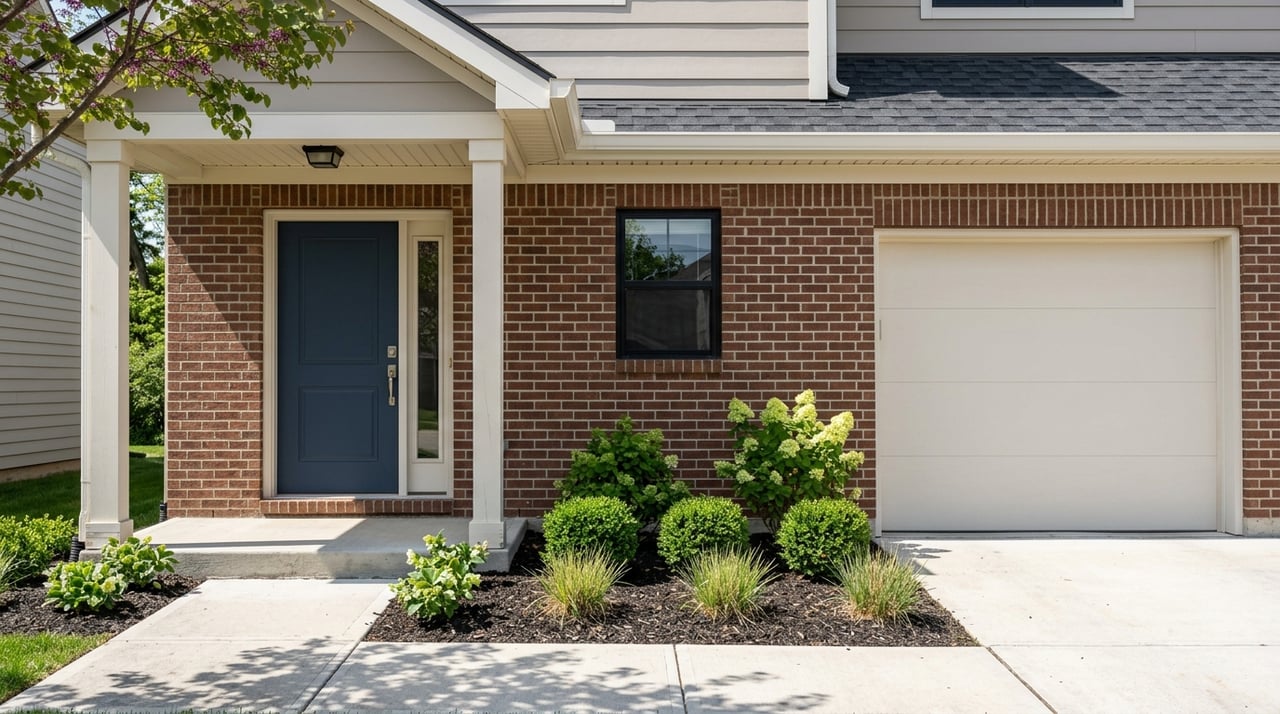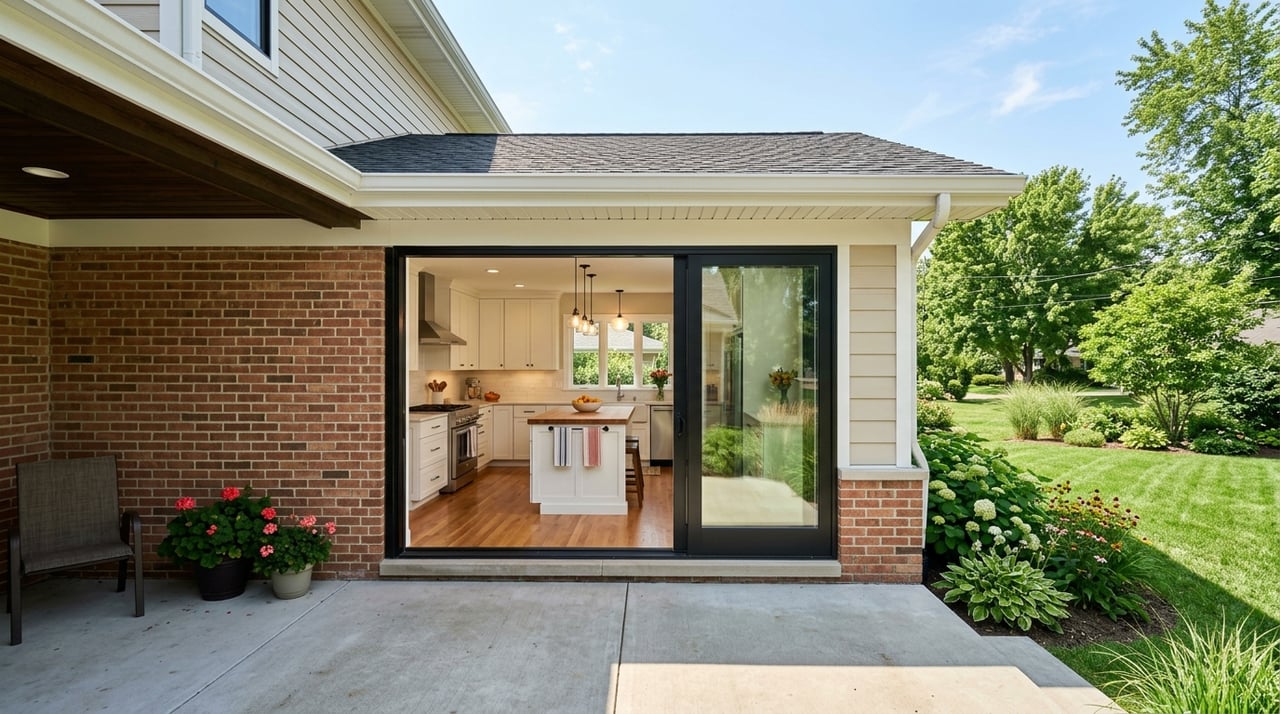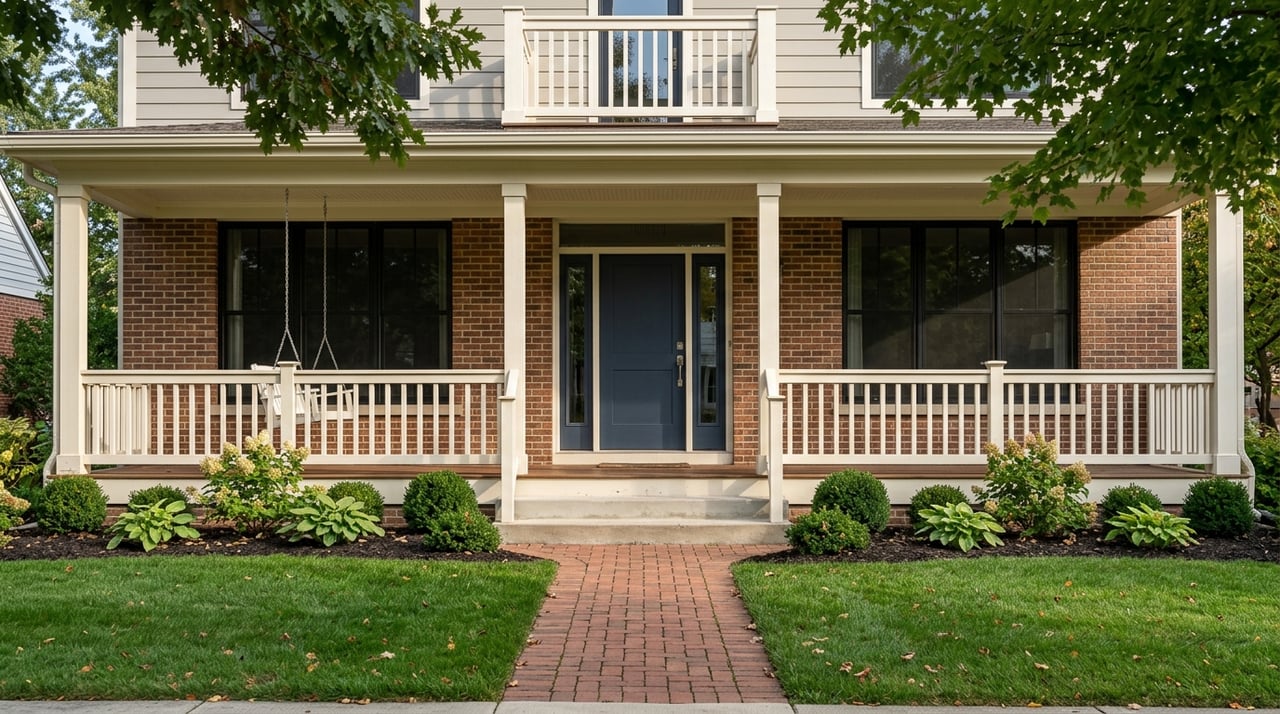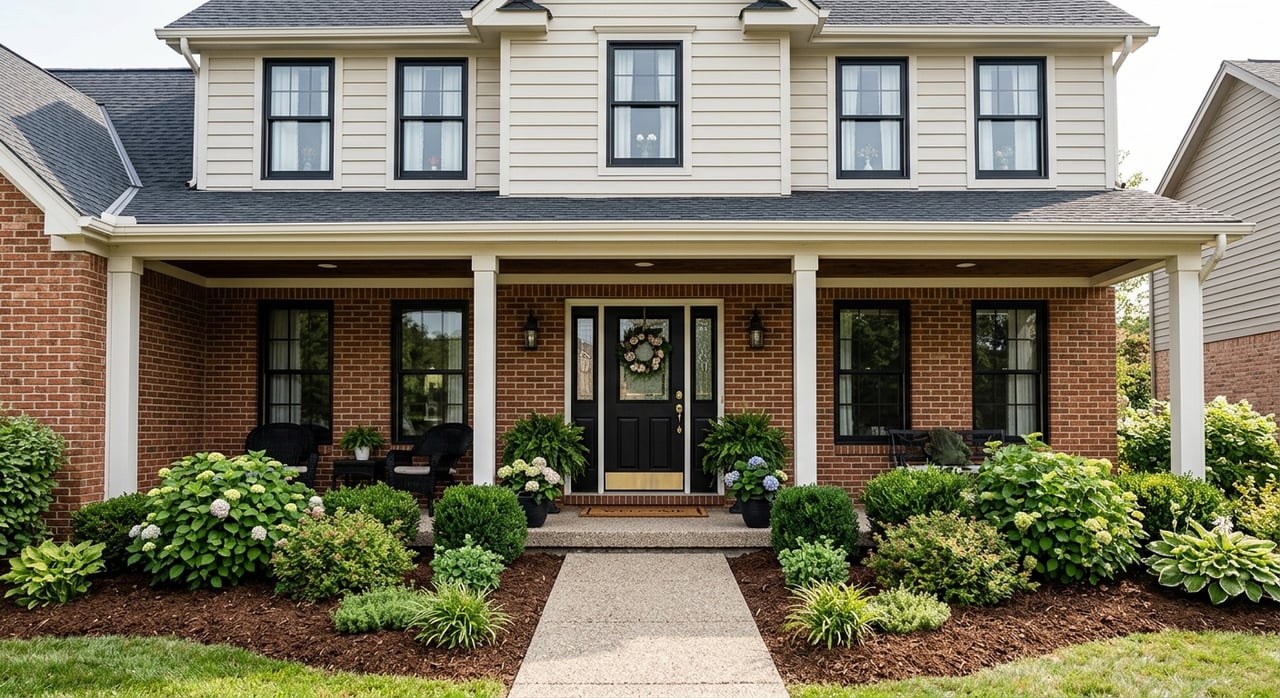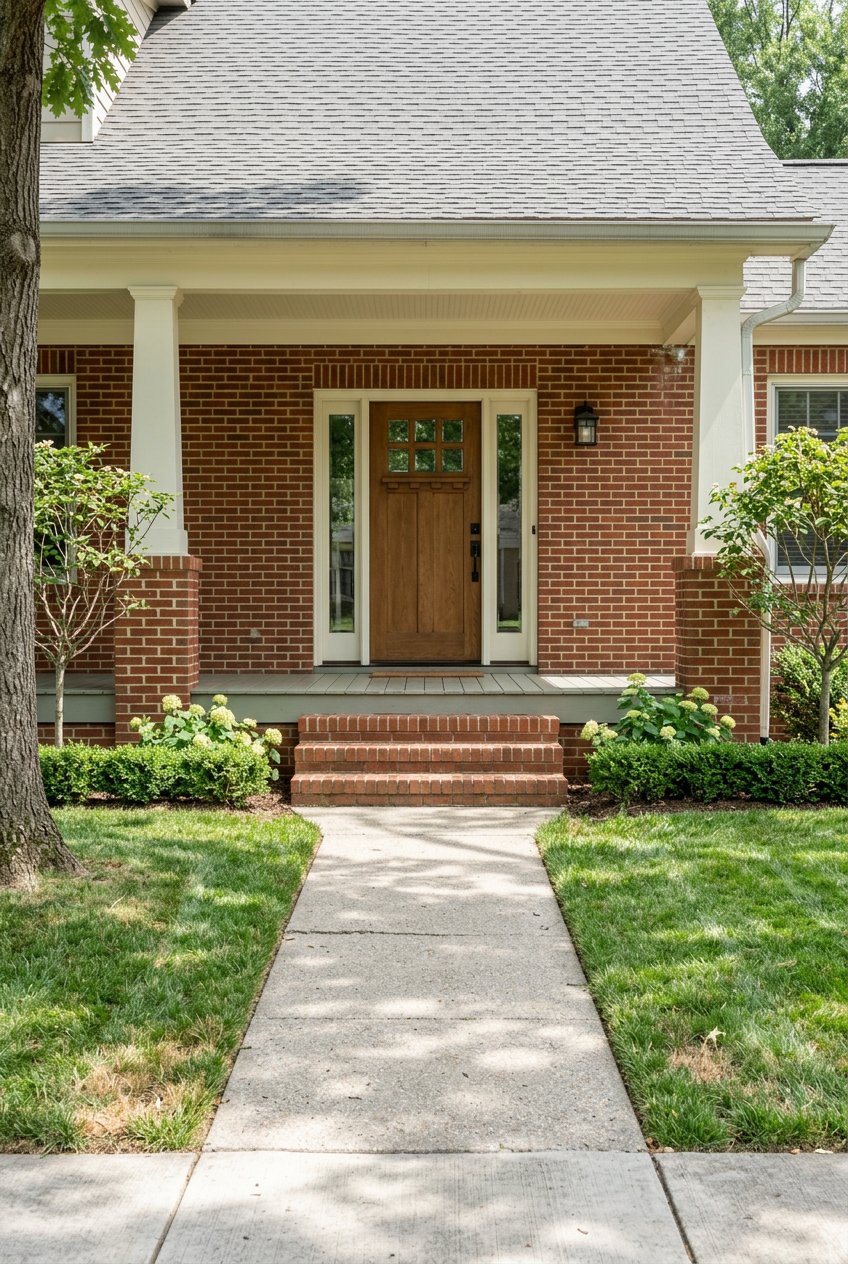
If you love front porches, mature trees, and classic architecture, Webster Groves will feel like home the moment you arrive. The city’s charm is real, and so is the responsibility that comes with owning an older property. With the right plan, you can enjoy the character without surprises. In this guide, you’ll learn the common home styles here, what to inspect, how to budget for upkeep, and how local permits and historic guidelines affect your projects. Let’s dive in.
Why Webster Groves is unique
Webster Groves is a mature, inner-ring suburb where most housing was built decades ago. City planning documents note that relatively little new housing has been added since the late 1950s, which is why many early 20th-century neighborhoods remain intact. You see that character in the streetscapes and in the homes themselves. You can review the city’s overview in the Comprehensive Plan.
You’ll find a wide mix of styles in walkable, tree-lined neighborhoods. Many homes were built with masonry or wood frames and full basements, and some areas include higher-style, brick or stone houses with slate roofs. Understanding the era and materials of a specific home helps you plan inspections and long-term care.
Common home styles you’ll see
Craftsman and bungalows
Craftsman and bungalow homes often feature broad front porches, low-pitched roofs, and detailed wood trim. These elements create curb appeal but also require regular attention to paint, gutters, and flashing to prevent rot. Expect to keep an eye on porch columns, railings, and steps, especially where water collects.
American Foursquare and traditional two-stories
American Foursquares and classic two-story homes are common in older pockets. Their boxy forms, deep eaves, and larger footprints can mean more roof and gutter area to maintain. Many have masonry exteriors, which may need periodic tuckpointing to keep water out and preserve the brick.
Tudor Revival and Victorian-era homes
In parts of Webster Groves, especially areas like Tuxedo Park, you’ll see higher-style homes with masonry, stone, and sometimes slate roofs. The Tuxedo Park historic tour highlights these features. Slate lasts a long time but needs specialized care. Decorative half-timbering, steep gables, and detailed chimneys also call for routine inspections.
Cape Cods and postwar ranches
You’ll also find modest Cape Cods and postwar ranches with simpler rooflines and more straightforward maintenance. Many have asphalt shingle roofs and original windows or trim that may benefit from targeted upgrades for comfort and efficiency.
What to inspect before you buy
Buying in Webster Groves often means buying a home built before modern systems were standard. A comprehensive inspection with a reputable professional is a must. Inspector associations provide helpful checklists for older homes, and InterNACHI’s historic-home guidance covers common red flags.
Environmental health: radon, lead, asbestos
- Radon. Missouri’s health department emphasizes that many homes test above the EPA action level. Plan to include radon testing in your inspection. The state program also offers guidance and notes that mitigation for a typical home often runs around $2,000 or less. Learn more from the Missouri radon testing page.
- Lead-based paint. If the home was built before 1978, assume the potential for lead-based paint. Renovations must follow lead-safe work practices, and contractors need the correct certifications. The EPA’s lead safety guide is a good starting point.
- Asbestos. Some pre-1980 materials may contain asbestos, including certain floor tiles, siding, and pipe wrap. Do not disturb suspected materials. Have a qualified professional test and advise before you remodel.
Foundations, basements, and drainage
Full basements are common here, so moisture control is critical. Look for efflorescence on walls, musty odors, active seepage, and signs of past repairs. Check that grading slopes away from the foundation and that downspouts discharge far from the house. Sump pumps and any battery backups should be tested during inspection.
Flood risk varies by street and parcel. Ask your lender or insurance provider for the property-specific flood determination and review FEMA maps for the address. If a past drainage project was permitted, request documentation. The city’s Building Permits page outlines what work requires a permit, which can help you verify past improvements.
Roofs and chimneys
Roof age and material drive big-ticket costs. Asphalt shingles typically last about 20 to 30 years depending on the product and installation. Slate or tile can last much longer but require specialty contractors for maintenance and repairs. See roof lifespan guidance from This Old House. Historic brick chimneys often need crown and flashing work, and periodic repointing. Ask your inspector if a chimney specialist review is recommended.
Electrical and plumbing systems
Older homes may have knob-and-tube or cloth-insulated wiring, undersized service, or outdated panels. Insurers sometimes impose conditions on homes with active historic wiring, so have a licensed electrician evaluate anything the inspector flags. On the plumbing side, older supply lines may be galvanized, and cast-iron drains can deteriorate. A sewer-camera scope is a smart, low-cost step to spot root intrusion or pipe bellies before you close.
Termites and exterior wood
Subterranean termites exist in Missouri, and they thrive where wood contacts soil or moisture issues persist. Schedule a wood-destroying insect inspection as part of due diligence. The University of Missouri Extension explains signs and prevention in its termite guide. Also check exterior wood trim, porch framing, and steps for rot, especially at end-grain and splash zones.
Energy, insulation, and comfort
Many older homes were built before modern insulation standards. Expect opportunities for attic air sealing and insulation, tune-ups to aging HVAC, and targeted window or storm-window improvements. A home energy assessment with a blower-door test and thermal imaging can help you prioritize the highest-impact upgrades before you start on cosmetics.
Budget and maintenance priorities
A clear plan helps you manage costs and enjoy your home from day one. Start with safety and water management, then move to longevity items and efficiency.
Big-ticket items to plan for
- Roof replacement cycles. Plan for asphalt shingle replacement roughly every 20 to 30 years. Slate or tile lasts much longer but needs specialized care. See roof lifespan guidance.
- Masonry repointing. Older brick often needs selective tuckpointing. Using the right mortar mix is essential to protect softer historic brick. The National Park Service preservation briefs explain best practices.
- Electrical updates. Replacing outdated wiring and panels is common in early 20th-century homes. Scope and cost vary with access and house size. Get licensed bids before you budget for finishes.
- Drainage and sewer. Extending downspouts, regrading, or adding an interior drain can be high-value fixes. A sewer scope helps you plan for repair or replacement if needed.
High-ROI quick wins
- Improve water control. Clean gutters, extend downspouts, and verify positive grading. These steps protect foundations, siding, and porches.
- Air seal the attic. Seal obvious leaks around penetrations, then add insulation to recommended levels.
- Tune HVAC. Annual service improves comfort and can catch developing issues early.
- Touch up exterior paint. Focus on horizontal surfaces, window sills, and porch elements that take the most weather.
Seasonal upkeep checklist
- Quarterly or seasonal:
- Clear gutters and downspouts and remove roof-valley debris.
- Test the sump pump and any battery backup.
- Confirm downspout discharge is well away from the foundation and that grading sheds water.
- Annually:
- Schedule HVAC service.
- Inspect and clean the chimney if used.
- Check roof and flashing, then touch up exterior paint and caulk.
- Inspect porches, steps, and railings for movement or rot.
- Every 5 to 20 years, depending on component:
- Plan for asphalt roof replacement on typical cycles.
- Service or replace major HVAC equipment.
- Repoint masonry where mortar has weathered.
- Upgrade plumbing or electrical systems as older materials reach end of life.
Permits and historic guidelines
What needs a permit
Webster Groves requires permits for most structural work, additions, and mechanical, plumbing, or electrical changes. Certain exterior changes may also trigger Architectural Review Board or Historic Preservation Commission review. Get familiar with the city’s Building Permits page early in your planning so you can time inspections, bids, and approvals.
Working in historic areas
Some neighborhoods or properties have local designation or are listed on the National Register. In these areas, policies often prefer repair and in-kind materials over wholesale replacement. The city’s Old Webster preservation guidelines and the NPS preservation briefs explain how to match mortar, retain original windows where practical, and make sensitive exterior repairs.
Renovating safely
If your project disturbs pre-1978 paint, the EPA’s Renovation, Repair and Painting rules apply. Use lead-safe practices and certified contractors. Review the EPA’s lead safety guidance. For suspected asbestos, hire a licensed professional to test and advise on abatement and disposal before you demo.
Planning additions and new spaces
If you are building an addition or finishing a basement, ask whether radon-resistant features were included or can be added. These details are easiest to incorporate during construction and can simplify future mitigation if testing shows elevated levels.
Local records to check first
- City permits and inspections. Confirm what work was permitted, and whether final inspections were passed. Start with the Building Permits page.
- Historic permit index. The Webster Groves Public Library maintains an index to historic permits that can help you trace past work on older homes. Ask the library for help pulling records by address.
- Seller disclosures and receipts. Validate the roof age, HVAC replacements, sewer repairs, and any masonry or porch work.
The bottom line for buyers and owners
Webster Groves offers the kind of character you cannot build overnight. With that character comes system-by-system upkeep that rewards a careful, plan-first approach. If you line up a thorough inspection, prioritize water management, and respect the materials that make these homes special, you can enjoy a property that looks great, functions well, and holds its value.
Ready to explore homes or talk through your renovation plan? Connect with The Becky O'neill Real Estate Team for local guidance and proven results.
FAQs
What home styles are most common in Webster Groves?
- You’ll see Craftsman and bungalows, American Foursquares and traditional two-stories, Tudor Revival and other Victorian-era homes, plus Cape Cods and postwar ranches across walkable, tree-lined neighborhoods.
How much does radon mitigation usually cost near St. Louis?
- The Missouri radon program notes that mitigation for a typical home often runs around $2,000 or less, though site conditions can raise or lower that amount; always test during the inspection period.
Do I need a permit for exterior changes in Webster Groves?
- Many exterior changes require a permit, and homes in certain areas may also need Architectural Review Board or Historic Preservation Commission review, so check with the city before starting work.
What should I look for on older roofs and chimneys?
- Verify roof age and material, plan for asphalt replacement about every 20 to 30 years, and have slate or tile inspected by a specialist; historic brick chimneys often need flashing, crown work, and periodic repointing.
How do historic guidelines affect window replacement or masonry repairs?
- In designated areas, the city often prefers repair and in-kind materials over replacement, and mortar must be compatible with older brick, so consult local guidelines and preservation briefs before you scope work.