Thinking about selling a character home in Kirkwood? You are not just putting a house on the market. You are presenting details, history, and curb appeal that buyers notice right away, especially in a city known for its historic districts, landmarks, downtown setting, and mature trees. If you want to protect your home’s charm while avoiding common pre-listing mistakes, this guide will help you focus on the prep that matters most. Let’s dive in.
Know what makes Kirkwood different
Kirkwood gives character homes a strong local story. The city has 85 designated landmarks and nine local historic districts, along with 24 individual properties and four historic districts listed on the National Register of Historic Places. That matters because buyers often see historic character as a real selling point in this market.
Kirkwood also ties its identity to downtown, parks, and established streetscapes. The city highlights Downtown Kirkwood, the farmers market, restaurants and shops, the historic train station, and more than 300 acres of park land. For your sale, that means your home is often being judged as both a property and part of a larger neighborhood experience.
Start with character, not over-renovation
When you prepare an older home for sale, it is easy to assume newer always sells better. In many Kirkwood character homes, that is not the smartest move. Buyers are often drawn to the original features that make the property feel distinct.
Kirkwood’s design guidance for historic properties emphasizes compatible materials, matching roof pitch and eave height, and limiting changes to the primary façade when possible. In practical terms, your prep should help period details stand out instead of competing with trendy updates that do not fit the house.
Features worth highlighting
Before listing, take a fresh look at the features that give your home personality, such as:
- Original trim and millwork
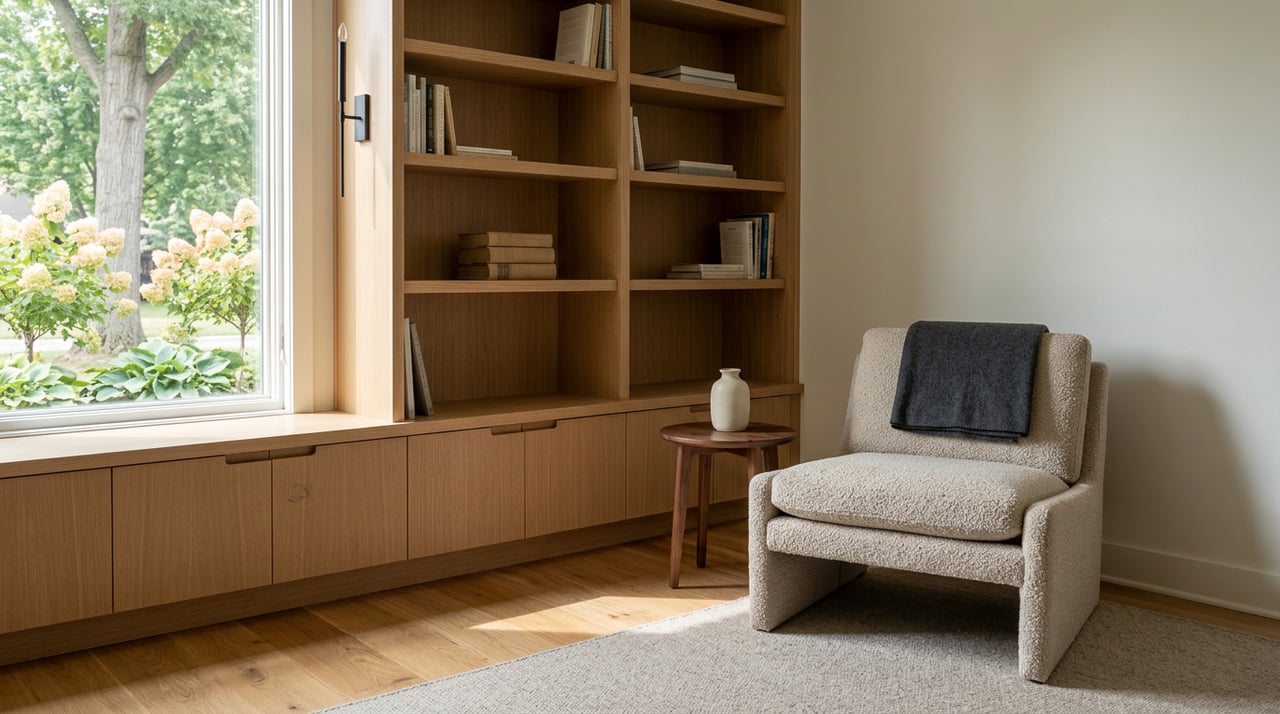
- Built-ins
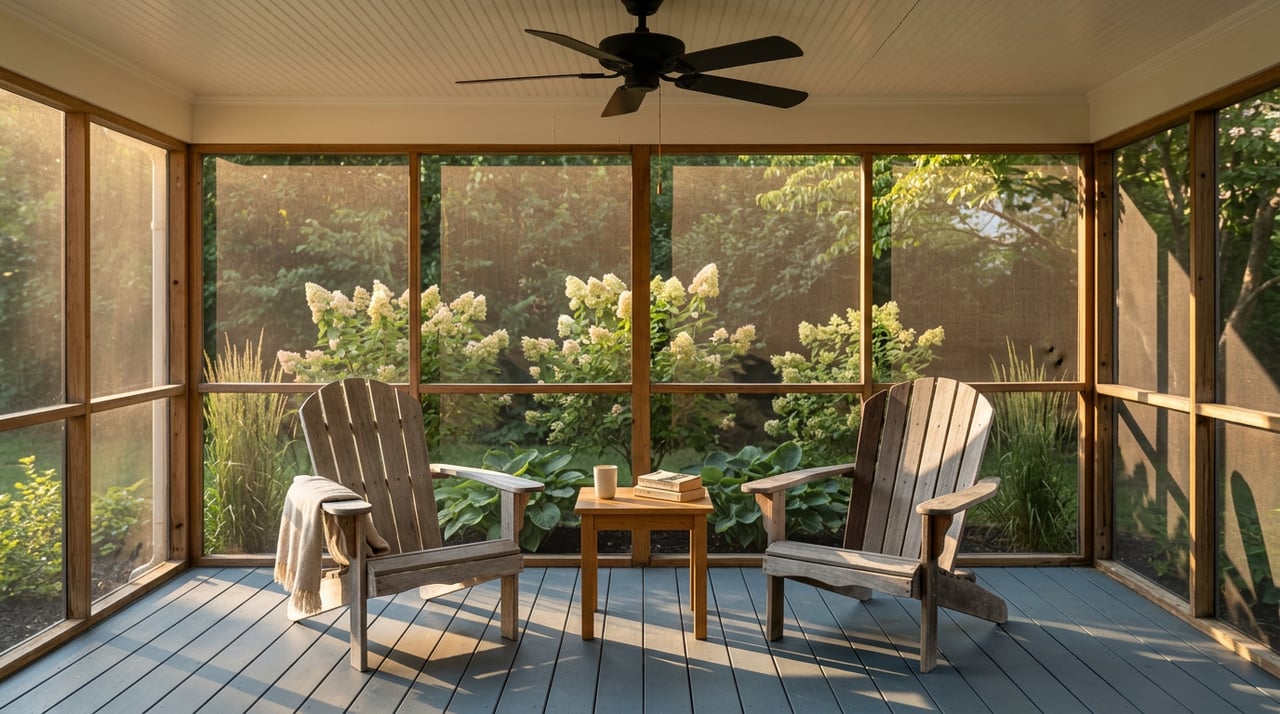
- Porches
- Masonry details
- Windows with period character
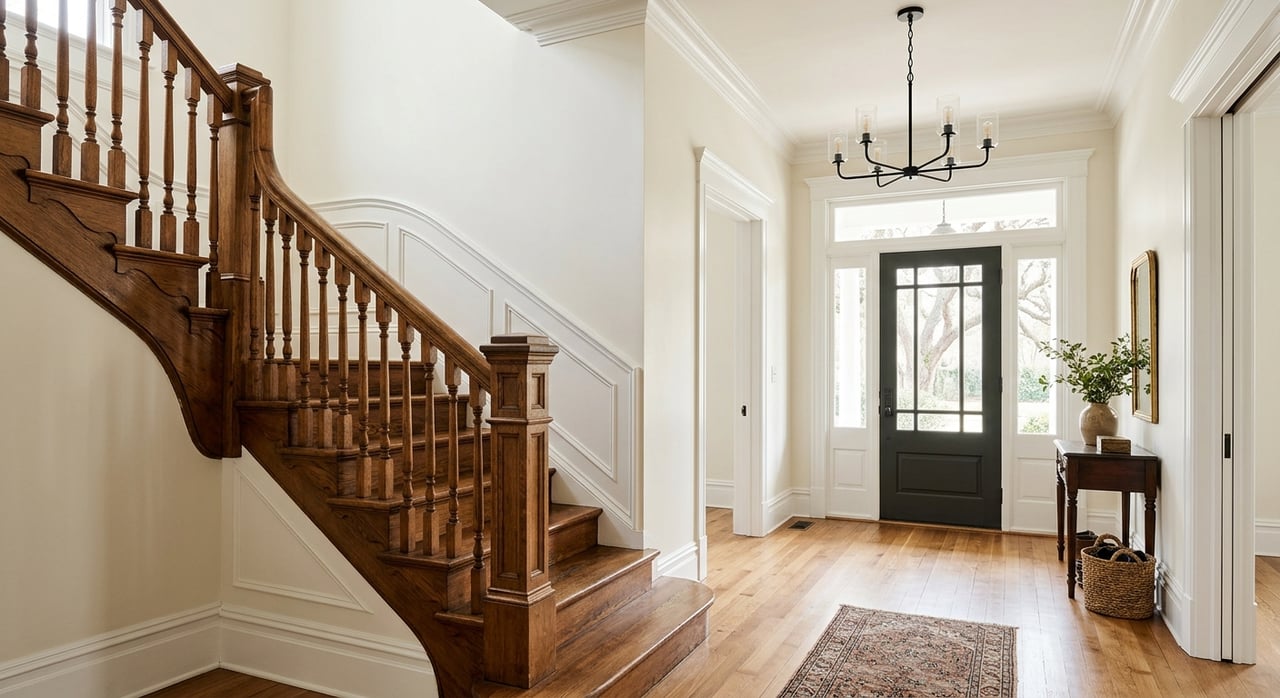
- Stair details and railings
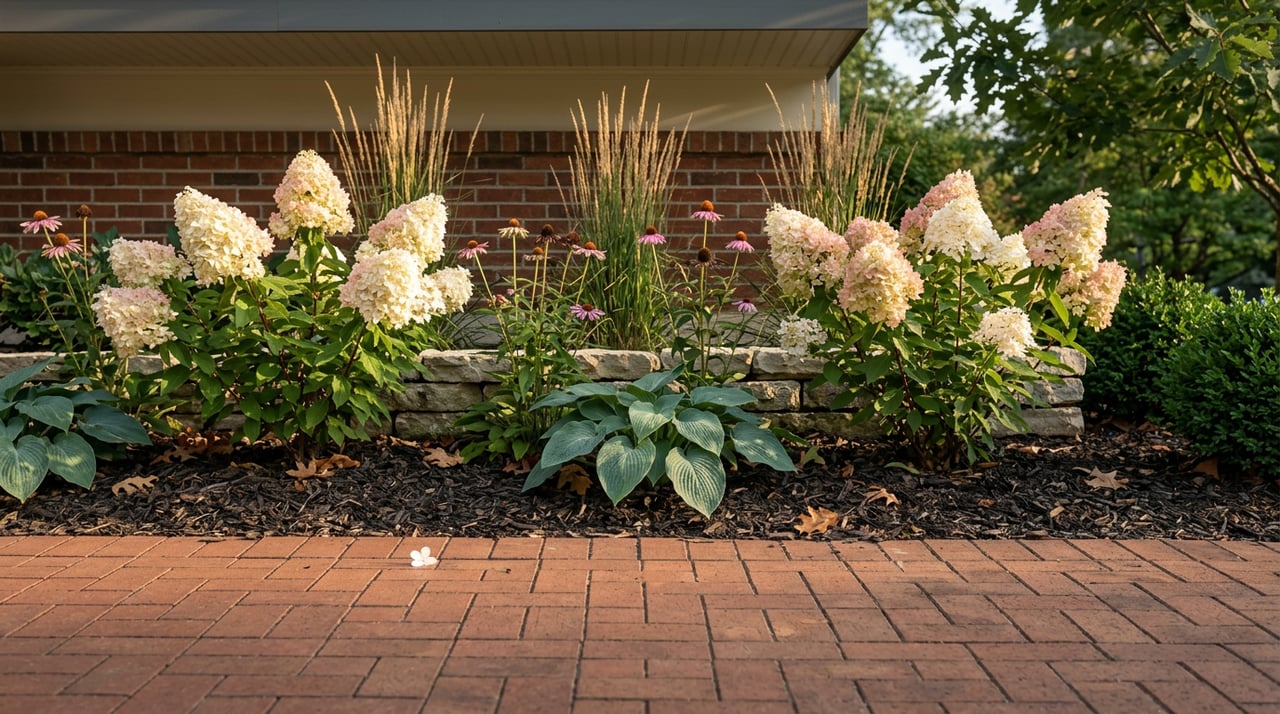
- Established landscaping and mature trees
Your goal is to make these features look intentional, clean, and well cared for. A thorough cleaning, lighter styling, and less visual clutter can do more for value than a rushed cosmetic remodel.
Tackle the visible maintenance issues first
If you want strong first impressions, start outside. Kirkwood code enforcement publicly identifies exterior issues it investigates, including chimneys, doors, rails, roofs, shutters, decks, stairs, fences, retaining walls, driveways, dead limbs, and overgrown trees. Those are exactly the kinds of things buyers notice in listing photos, during drive-bys, and again at inspection.
For most sellers, this means prep dollars should go toward safety, maintenance, and curb appeal before decorative upgrades. A character home can show beautifully without being fully renovated, but it needs to look solid and cared for.
Your pre-listing exterior checklist
Walk your property with these items in mind:
- Repair loose rails or stair issues
- Check the roof for visible wear
- Inspect chimneys for obvious deterioration
- Touch up or repair doors and shutters
- Review decks, fences, and retaining walls
- Trim overgrown landscaping
- Remove dead limbs
- Clean up the driveway and front walk
- Make sure the porch feels safe and inviting
These fixes support both presentation and negotiation. When buyers see deferred maintenance right away, they often assume there is more hiding behind the walls.
Check historic review rules early
This is one of the most important steps if your Kirkwood home is in a local historic district or is a designated landmark. Kirkwood says the Landmarks Commission reviews exterior alterations to designated landmarks and reviews demolition and new construction within historic districts. A Certificate of Appropriateness is required before a building permit may be issued for covered work.
If you are planning exterior changes before listing, do not wait until the last minute. The city says applications for Commission review are due two weeks before the monthly meeting, and the Commission meets on the second Wednesday of each month at 7 p.m. That timeline can affect your prep calendar.
Exterior projects to verify before starting
Ask about review requirements if you are considering:
- Window replacement
- Porch repairs
- Siding changes
- Additions
- Demolition of an accessory structure
Kirkwood also says any property owner can seek free advice on appropriate design and preservation. That can help you avoid spending money on changes that create delays or do not support the home’s value.
Get ahead of disclosures and inspections
Older homes often raise more buyer questions, even when they are well maintained. That is why your disclosure and inspection planning should happen before the listing goes live, not after an offer comes in.
Missouri law requires written disclosure when a seller knows a property was contaminated with radioactive or other hazardous material. The state also requires written disclosure for known methamphetamine production on the premises and certain related criminal-conviction histories tied to the property. These are important issues to review with your agent early so your listing details, disclosures, and buyer conversations stay consistent.
A pre-listing inspection can also be a smart move for a character home. It can help you spot visible exterior and safety concerns before buyers use them as leverage during negotiations.
Why a pre-listing inspection helps
A pre-listing inspection can help you:
- Identify repair items before showings
- Decide what to fix and what to disclose
- Reduce surprises during contract negotiations
- Price the home with better context
- Present the property as cared for and well managed
Not every issue has to be fixed. What matters is knowing what you are selling and making a clear, informed strategy.
Stage the home around its story
Character homes usually sell best when the presentation supports the architecture. That means staging should feel simple, clean, and proportional to the house. You want buyers to notice the home’s structure, natural light, trim, porch, and layout instead of oversized furniture or distracting decor.
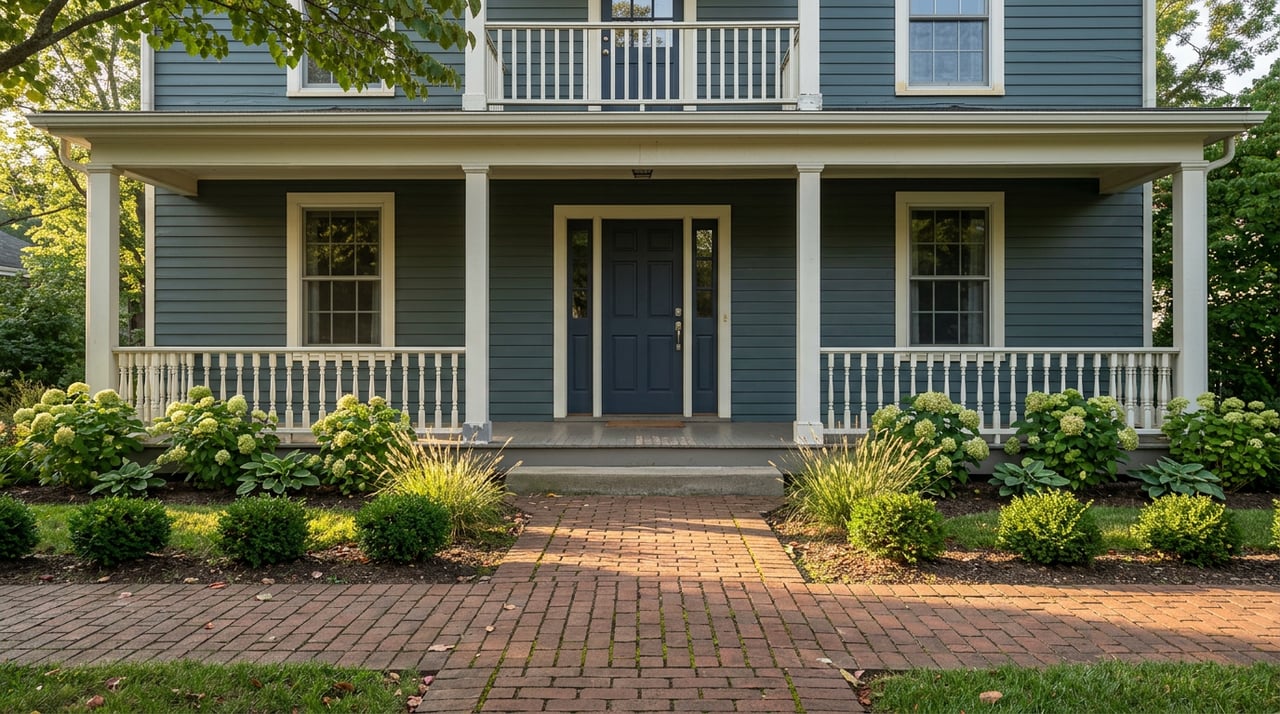
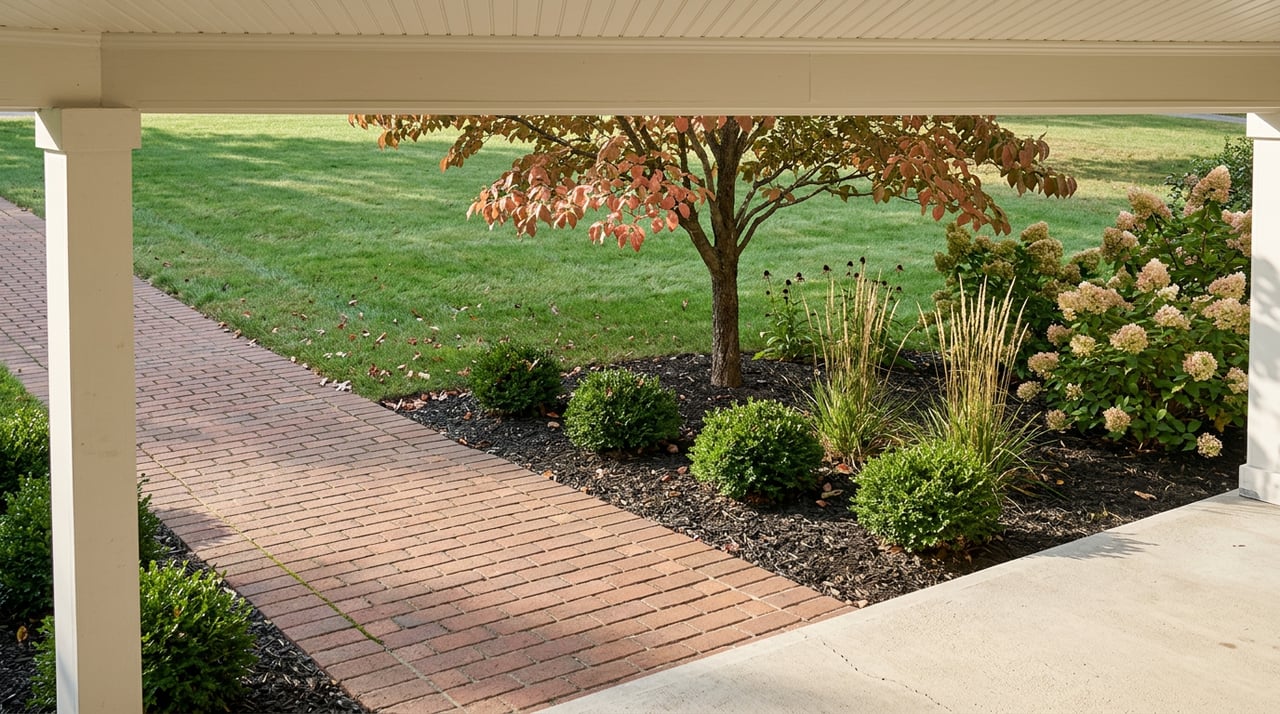
In Kirkwood, the setting matters too. Mature trees, sidewalks, and established landscaping are part of the appeal buyers often connect with emotionally. Curb photos that show canopy, porch presence, and a tidy streetscape can help tell that story before a buyer ever steps inside.
What buyers want to feel
When buyers tour a Kirkwood character home, they often want two things at once:
- The charm of an older home
- Confidence that the home has been maintained
Your prep should support both. Let the house feel authentic, but remove the signs of neglect that make buyers nervous.
Market the Kirkwood lifestyle clearly
A strong listing for a Kirkwood character home should do more than describe the house. It should place the home within the local experience buyers are looking for. The city’s own materials point to some of the biggest draws: Downtown Kirkwood, restaurants and shops, the farmers market, the train station, and extensive park amenities.
Kirkwood also has community events that reinforce its local identity, including the Route 66 Cars and Guitars Festival, live music at the Farmers’ Market, and the Greentree Festival in Kirkwood Park. If your home is close to these areas or amenities, that can be part of an honest, specific marketing story.
Details that strengthen your listing narrative
Depending on location, your marketing may highlight:
- Proximity to Downtown Kirkwood
- Access to restaurants and shops
- Nearness to the farmers market
- Convenience to the train station
- Nearby parks and recreation areas
- Mature trees and established streetscape
- Intact original architectural details
Specific, factual descriptions usually work better than broad claims. In a market like Kirkwood, buyers respond well to a clear story about character, location, and care.
Build your plan before you list
The best results usually come from a simple sequence. First, identify the features worth preserving. Next, fix the visible maintenance issues that could hurt first impressions. Then confirm whether any exterior work needs historic review, and organize your disclosures and inspection strategy before going active.
That kind of planning helps you avoid wasted updates, reduce avoidable delays, and present the home with confidence. For a Kirkwood character home, the goal is not to erase age. The goal is to show buyers why the home’s history, setting, and condition make it worth serious attention.
If you are getting ready to sell and want practical guidance on pricing, preparation, and positioning your home for the Kirkwood market, connect with The Becky O'neill Real Estate Team. You will get straightforward advice, local insight, and a clear plan built around your home.
FAQs
What makes a character home in Kirkwood attractive to buyers?
- Buyers are often drawn to original details, established landscaping, mature trees, porch appeal, and the home’s connection to Kirkwood’s historic districts, downtown amenities, parks, and recognizable streetscape.
What exterior repairs should a Kirkwood seller prioritize before listing?
- Focus first on visible issues such as roofs, chimneys, doors, rails, decks, stairs, fences, retaining walls, driveways, dead limbs, and overgrown trees because these affect first impressions and may come up again during inspection.
What historic review rules may apply to a Kirkwood home sale?
- If your home is a designated landmark or located in a local historic district, some exterior changes may require Landmarks Commission review, and covered work may need a Certificate of Appropriateness before a building permit can be issued.
What should a Kirkwood seller disclose for an older home in Missouri?
- Missouri law requires written disclosure for known radioactive or other hazardous material contamination, known methamphetamine production on the property, and certain related criminal-conviction histories tied to the property.
What buyer questions should sellers expect for a Kirkwood character home?
- Buyers commonly ask whether the home is in a historic district or landmark area, whether exterior changes need city review, which original features remain, what repairs or updates have been made, and how close the home is to Downtown Kirkwood, parks, and other amenities.