Thinking about selling your Fenton home, but not sure if the timing is right? You are not alone. The answer depends on what the local data says about prices, inventory, and buyer demand in your neighborhood. In this guide, you will learn how to read those signals, what they mean for your net proceeds, and the steps to take before you decide. Let’s dive in.
Read pricing trends the right way
Start with local numbers, not national headlines. Ask your agent for the most recent St. Louis REALTORS monthly report and a Fenton MLS snapshot for your specific neighborhood or ZIP code.
- What to gather: median sale price for the last 12 months, changes over the past 3 to 6 months, number of closed sales, and a 30 to 90 day trend line.
- How to interpret: rising prices with tighter inventory can favor sellers; flat prices with more listings often means a balanced market; softening prices and longer days on market can shift leverage to buyers.
- Keep it hyper local: use comparable sales from the same neighborhood and property type. Match lot size, age, beds and baths for the clearest pricing picture.
Buyer demand, inventory, and competition in Fenton
Inventory and demand tell you how much negotiating power you have. Your agent can pull active and new listings, months’ supply of inventory, list-to-sale price ratios, and the share of listings with price reductions.
- Months’ supply of inventory: under about 3 months often favors sellers, around 4 to 6 is balanced, and over 6 can favor buyers. Treat these as guidelines, not hard rules.
- Watch for signals: a higher percentage of price reductions and longer days on market usually point to softer demand.
- Who is buying: in suburban Fenton, buyers often include commuters to St. Louis job centers, families seeking suburban amenities, downsizers, and some investors. Ask for recent buyer mix insights from local MLS activity.
Mortgage rates and your sale
Mortgage rates affect how much buyers can afford, which affects your pricing and time on market. If rates rise, the pool of qualified buyers can shrink, and more buyers may ask for concessions.
- Know the trend: review recent 30 year fixed rate trends and how they affect monthly payments at typical local price points.
- Plan for flexibility: some buyers use adjustable rate loans or larger down payments. Others may ask for closing cost help. Price with current qualification standards in mind.
Seasonality and timing in Fenton
Suburban markets tend to be seasonal. Spring, especially March through June, often brings the most buyer activity and stronger pricing. Summer can remain active. Fall and winter usually see fewer showings, but buyers who are out looking may be more serious.
- Compare recent years: ask your agent for month by month Fenton MLS data over the last 2 to 3 years to spot patterns.
- Life events matter: timing your sale around your move, job changes, or school calendars can be just as important as market seasonality.
Appraisals and inspections to expect
Appraisals can be tight if prices are flattening or if your contract is above recent comps. Inspections in suburban homes often flag roofs, HVAC, basements or moisture, and aging systems.
- Consider a pre list inspection: identify issues early so you can fix or price accordingly. This can lower the chance of last minute renegotiations and delays.
- Support your price: use strong, recent comps and clear updates to help an appraiser see value.
Fenton factors that influence value
Every neighborhood is different, even within the same ZIP code. Pay attention to details that buyers weigh during home searches.
- Neighborhood and housing stock: Fenton is primarily single family homes across a range of ages and price points. Homes on quieter streets or near parks and greenspace may see different interest than those near major roads or commercial areas.
- Commute appeal: proximity to key highways offers access to central and west St. Louis job centers. Commuters often prioritize drive times and route options.
- Floodplain awareness: properties near rivers or creeks may sit in FEMA flood zones, which can affect insurance costs and demand. Confirm your status and disclose as required.
- Schools and districts: boundaries can cross city lines. Buyers often ask about district information, so verify which district serves your address through official sources. Keep descriptions neutral and fact based.
What it costs to sell in Missouri
Know your likely costs so you can plan your net proceeds. Common expenses include real estate commissions, staging and prep, potential repairs, prorated taxes, and any HOA fees. In some transactions, sellers provide an owner’s title policy. Typical financed closings often run about 30 to 45 days once you are under contract. Your exact numbers depend on your deal and local norms.
Smart pricing and marketing for Fenton sellers
Price from data, then maximize exposure and presentation. This combination helps you protect your time on market and your net.
- Pricing strategy: start with a comparative market analysis using similar closed sales from the last 90 days in your neighborhood. Consider strategic price bands only if local search behavior supports it.
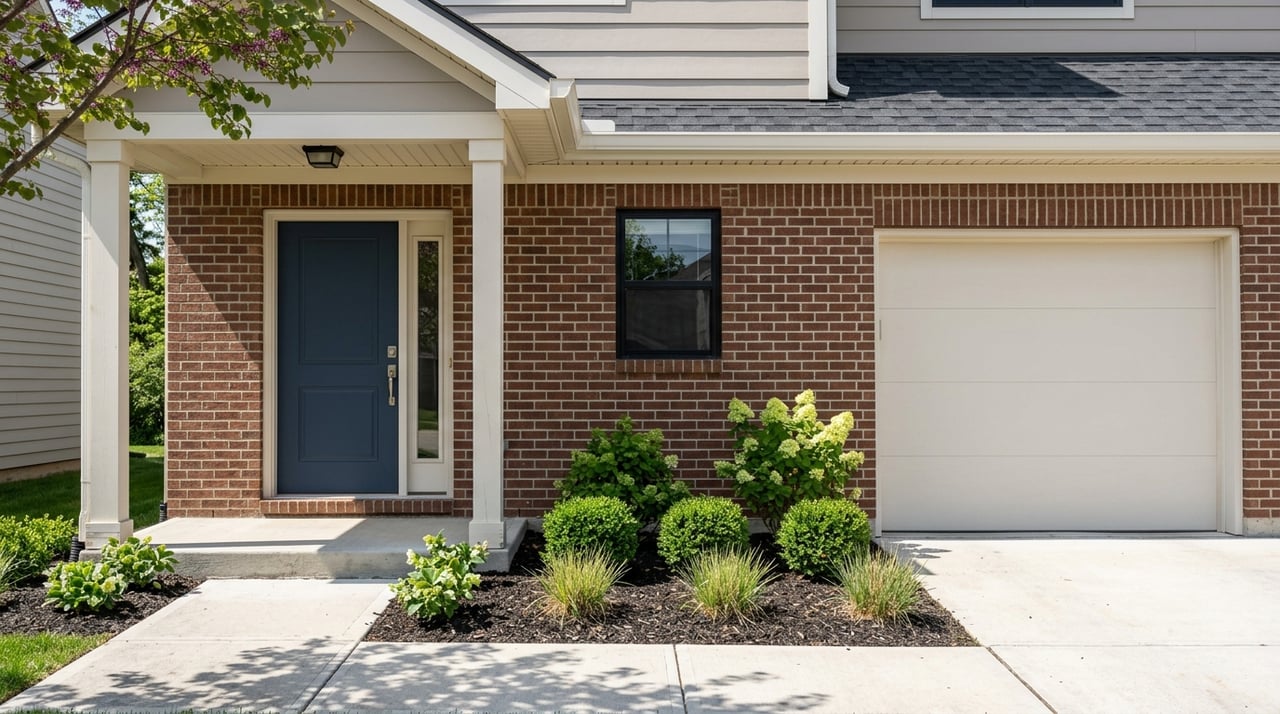
- Pre list prep: focus on curb appeal, fresh paint where needed, a deep clean, and staging of key rooms like the kitchen, living area, and primary bedroom. Get a local stager estimate for accurate costs.
- Marketing plan: expect professional photos, floor plans, and neighborhood highlights that showcase parks, schools, and commute options. For higher value homes, consider 3D tours and targeted online ads.
- Offer management: in a balanced market, you can hold showings for a few days to encourage competition. In softer conditions, weigh financing strength, appraisal terms, and timing, not just price.
A simple decision framework
Use your local data and your personal timeline to decide with confidence.
- Check market direction
- Are median prices rising, stable, or dipping in your neighborhood over the last 3 to 6 months?
- Is months’ supply tight or expanding? Are price reductions increasing?
- Estimate timing and net
- What is the current median days on market near you? Do your home’s condition and updates align with top comps?
- Map your estimated net proceeds after fees, prep, and likely repairs.
- Align with your life plans
- If a move is time sensitive, selling in a balanced market can still be smart if your net meets your goals.
- If you can wait and the data shows rising inventory and softer pricing, consider timing for a stronger season.
- Decide on prep and strategy
- If comps show sensitivity to condition, invest in small, high ROI fixes now.
- If demand is strong and your home is show ready, consider listing soon to capture momentum.
What to ask your agent for
Request a current, address specific snapshot. The right data makes your choice easier.
- Median sale price for the last 12 months and month by month changes for 6 to 12 months.
- Active and new listings for the last 6 months and months’ supply of inventory.
- Median and average days on market for the last 30, 60, and 90 days.
- List to sale price ratio and percentage of listings with price reductions.
- Closed transactions year over year.
- Share of cash versus financed sales, if available.
- Buyer profile insights for your area, based on MLS activity and agent feedback.
- Three to six recent comps within 90 days, with price, days on market, and key features.
Ready to see how today’s market lines up with your goals? Get a local, no obligation CMA and a clear plan from a team that knows Fenton inside and out. Connect with The Becky O'neill Real Estate Team for straight talk, data you can trust, and a strategy built around your timeline.
FAQs
Is now a good time to sell a home in Fenton?
- It depends on your neighborhood’s inventory, recent price trend, and your timeline; if inventory is tight and demand is steady, sellers often have an edge, while rising inventory and longer days on market call for careful pricing.
How long does it take to sell a house in Fenton right now?
- Use the latest median days on market from the local MLS; well priced suburban homes can sell within weeks in active markets, while slower conditions can take longer.
Do I need to renovate before listing my Fenton home?
- Focus on high impact fixes like paint, lighting, landscaping, and small kitchen or bath refreshes; consider a pre list inspection to prioritize repairs that protect your price.
Will I have to reduce my price when selling in St. Louis County?
- Only if current comps and early buyer feedback show your list price is above market; track showings and interest in the first 7 to 14 days to decide quickly.
How do mortgage rates affect my Fenton home sale?
- Higher rates can shrink buyer budgets and increase requests for concessions; price with current qualifications in mind and stay flexible on timing or terms if needed.