Hear the station bell, grab a coffee, and stroll past locally owned shops within minutes of St. Louis. If you want a small‑town main street with real trains and a lively calendar, downtown Kirkwood checks the boxes. You may be wondering how close you can live to the action, what the tradeoffs look like, and how prices line up. This guide walks you through lifestyle, transit, parking, and housing options near the historic station so you can decide if it fits your next move. Let’s dive in.
Why downtown Kirkwood draws you
Historic heart: the station
The Kirkwood Train Station is the neighborhood’s visual anchor. Built in 1893 in the Richardsonian Romanesque style and listed on the National Register of Historic Places, it serves Amtrak’s Missouri River Runner and is known for its volunteer program and preservation efforts. You can learn more about its history and current operations on the Great American Stations profile. Service here is intercity, not frequent commuter rail, which matters when you plan your commute.
City and Amtrak partners have pursued preservation work, so always confirm the station’s current status and hours before planning a visit or departure. The Great American Stations page posts updates on projects and ridership data.
Strollable, shop‑rich district
Downtown Kirkwood’s Special Business District frames the core around the station and town square. The district promotes roughly 16 walkable blocks with more than 100 specialty shops and restaurants, from coffee and bakeries to boutiques and services. You can get a feel for the directory and neighborhood vibe at Downtown Kirkwood.
Signature markets and events
The Kirkwood Farmers’ Market is a weekly staple that sets the tone for a “small‑town Saturday.” In season, it runs a Saturday vendor market, commonly April through September, with typical vendor hours of 8:00 a.m. to 1:00 p.m. The district also hosts evening Night Markets. See dates and details on the Farmers’ Market page.
Programming continues year‑round. Expect a Summer Concert Series at Kirkwood Station Plaza in June, Route 66 and Cars & Guitars events, the July Peach Festival, fall favorites like Witches Walk and Moonlight Market, and the Holiday Walk with Santa arriving by train. Check the current lineup on the Downtown events calendar.
Parks and nearby attractions
Living near downtown puts you close to park space and family‑friendly attractions. Frequently mentioned spots include Kirkwood Park and KPAC events, the Magic House children’s museum, Powder Valley Nature Center, and the Museum of Transportation. The station profile highlights these as popular nearby outings.
Getting around: trains, drives, and parking
What the train can and cannot do
Amtrak’s Missouri River Runner stops at Kirkwood. It connects you to intercity destinations, but it is not a high‑frequency commuter service. Union Pacific owns the tracks, which primarily serve freight. If you picture a daily commuter rail schedule, set different expectations and plan around posted Amtrak timetables. For history and service context, see the Great American Stations page.
MetroLink and highway access
Downtown Kirkwood does not have a MetroLink stop. The nearest stations, such as Maplewood–Manchester, Sunnen, Brentwood I‑64, and Shrewsbury–Lansdowne I‑44, are several miles away. Many residents drive to these stations or use local bus connections when needed. Driving into downtown St. Louis is common as well, with Kirkwood sitting roughly in the mid‑teens of miles from the Arch depending on your route and traffic.
Parking basics downtown
Downtown Kirkwood offers a mix of free City‑maintained lots, widespread meter‑less on‑street spaces with posted 2‑hour limits in the busiest blocks, and an Amtrak station lot with daily and overnight paid parking. The district also sells permit parking for designated employee lots. During festivals and concerts, lots fill quickly, so the City encourages a “park once” approach and walking the district. Review rules and lot maps on the Downtown parking page.
Where to live near the station
How the area lays out
Think of three rings from the station outward:
- Immediate downtown: condos and smaller historic homes on compact lots, highest walkability, limited off‑street parking.
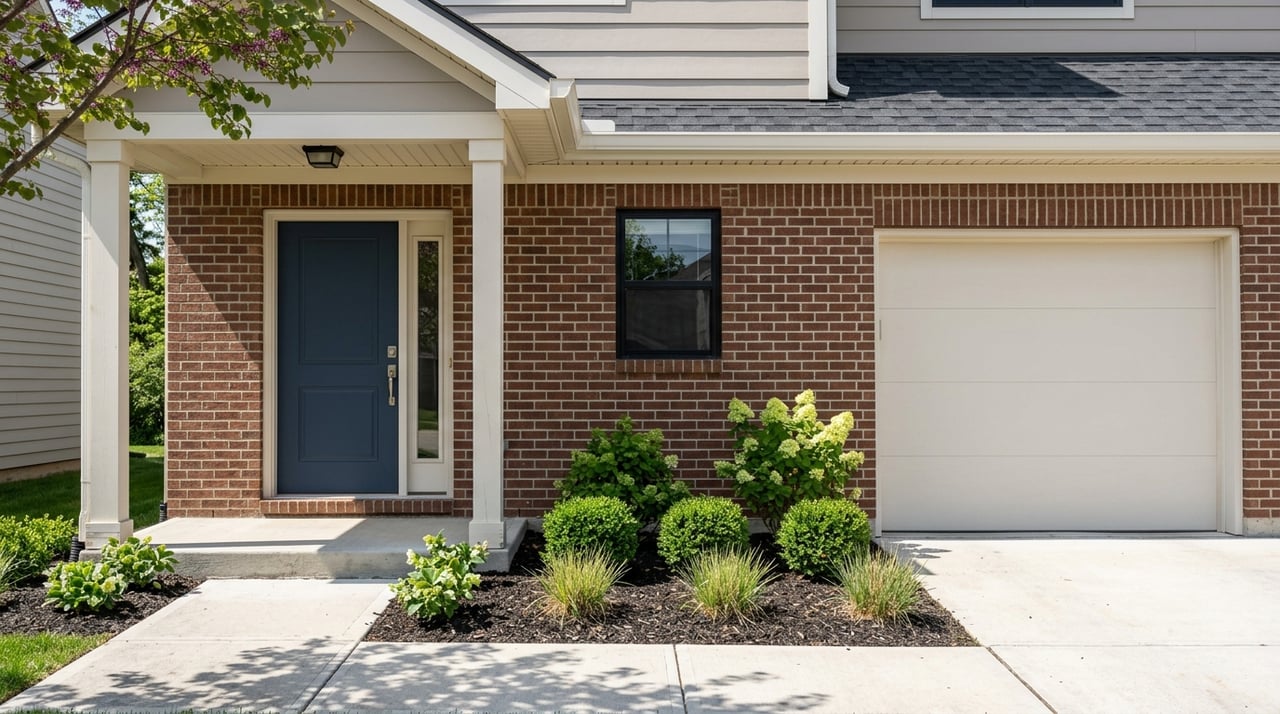
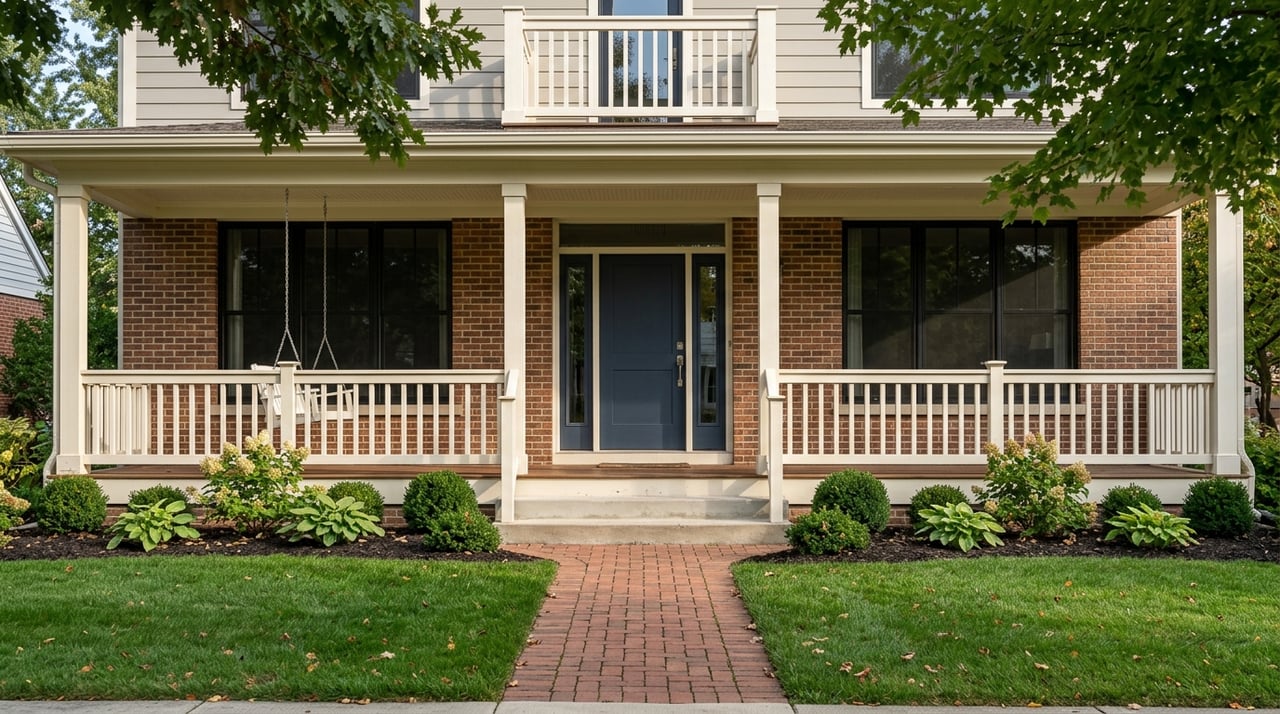
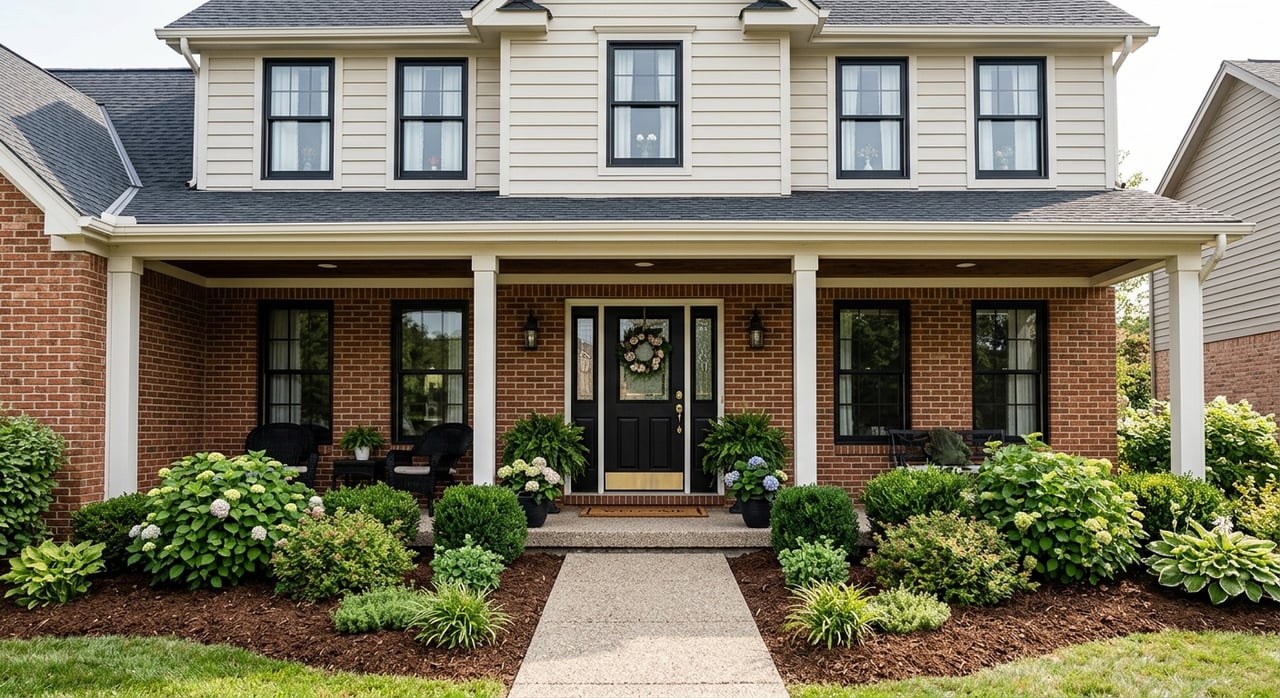
- Inner neighborhoods, about 2 to 8 blocks out: mostly single‑family homes on medium lots, better odds for a driveway or garage, still a comfortable walk to shops and the market.
- Outer Kirkwood and adjacent edges: larger parcels, more space and privacy, higher prices, and a longer walk or a short drive to the core.
The City’s planning work sheds light on block patterns and how infill shapes the core over time. If you want the big‑picture vision, browse the Downtown Master Plan.
Immediate downtown blocks
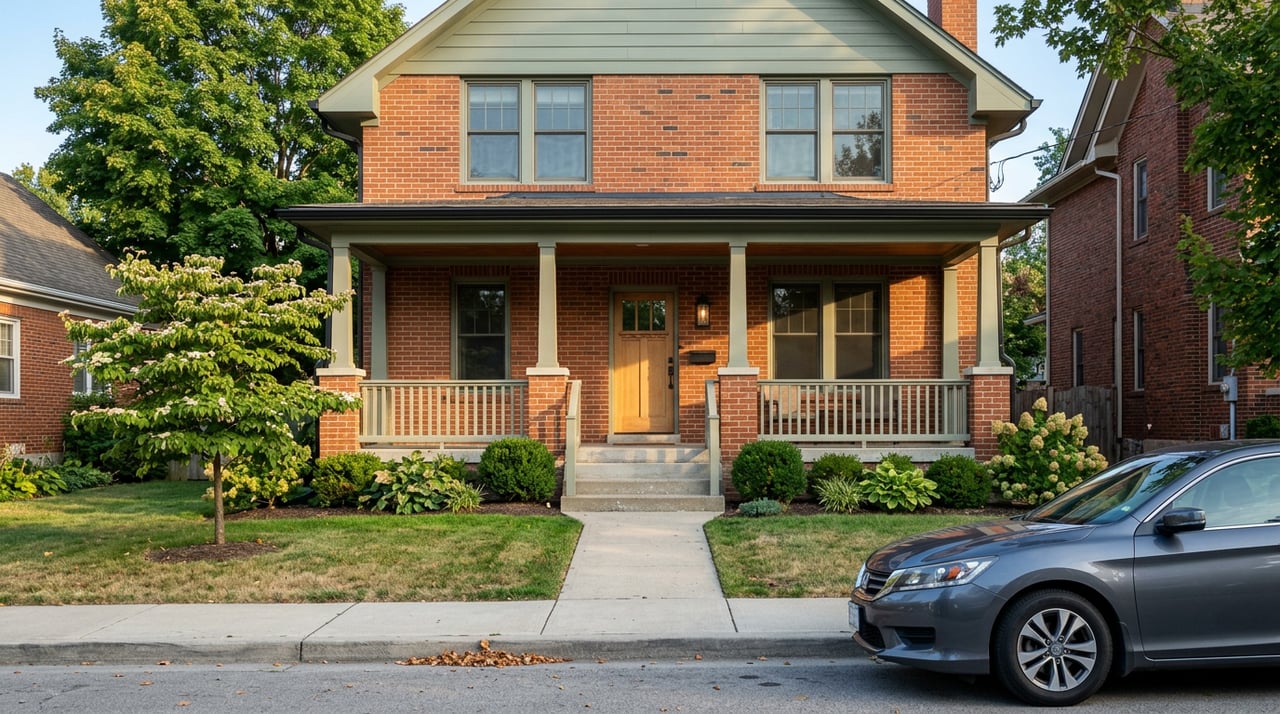
If you want to live steps from the station, you will find a mix of condos and small to mid‑sized historic houses. Condos in and near the core often trade in the low‑to‑mid hundreds of thousands for one to two bedrooms. Many close‑in houses sit on smaller lots, often under a quarter acre, and may have detached garages off an alley or no garage at all. This is part of the tradeoff for top walkability.
Inner neighborhoods 2–8 blocks out
Move a few blocks out and you see more single‑family homes on medium lots with better driveway and garage options. Citywide data provides a useful benchmark. Recent snapshots show a median sale price around $550,000 and a median listing price in the ~500k range. Listing medians reflect asking prices while sale medians reflect closed prices, so do not read them as the same measure. Well‑located, renovated homes near the core can sell above medians based on size, finish, and lot.
Outer Kirkwood and edges
Farther out, you will find larger lots and high‑end properties, including homes on 0.3 to 0.4 acres or more and estates that reach into seven figures. If a big yard, multi‑car garage, or long driveway is a priority, this ring offers more choices. The cost is a longer walk, though you are still a short drive to the station and downtown events.
Tradeoffs to weigh
- Yard vs. walkability: the closest blocks have the best walk score feel but the smallest lots.
- Garage and parking: confirm alley access and on‑site parking if that is non‑negotiable.
- Budget vs. size: renovated homes near the core can command premiums, while similar budgets may buy larger homes a bit farther out.
Smart tips for your search
Visit at different times
Kirkwood sits on an active freight corridor, with Amtrak providing intercity service. If train noise matters to you, visit prospective homes at different times of day, including peak freight windows, so you can gauge your comfort level.
Confirm parking and access
In the tightest blocks, check whether a property has alley access, a usable garage, and a practical driveway. Ask about any local permit rules for on‑street or overnight parking, and factor event days into your expectations.
Plan around the calendar
If you love lively weekends, lean into the core and the Farmers’ Market scene. If you want quieter Saturdays, consider a few more blocks out. Either way, the downtown calendar is an asset for daily life and resale. See what is coming up on the events calendar.
Watch station updates
Before buying or planning trips, confirm current hours and renovation updates for the station. The Great American Stations page is a reliable source for status and background.
What this means for resale
Downtown Kirkwood has a strong brand in the St. Louis region. The historic station, walkable 16‑block core, and predictable event calendar support steady demand over time. Limited inventory near the station often leads to competitive interest for well‑presented homes. Because listing and sold medians measure different things, use current neighborhood comps to price precisely and position for best‑case outcomes.
Ready to explore homes near downtown Kirkwood or to list with a pricing strategy that captures the lifestyle premium? Reach out to the team that knows the blocks, the events calendar, and the tradeoffs cold. Connect with The Becky O'neill Real Estate Team for a hyper‑local plan, on‑market comps, and a clear path from search to sold.
FAQs
Is the Kirkwood Amtrak station a daily commuter option?
- No. Kirkwood’s station serves Amtrak’s Missouri River Runner, which is intercity service with limited frequency, not a frequent commuter rail schedule.
How close is downtown Kirkwood to downtown St. Louis by car?
- Kirkwood sits roughly in the mid‑teens of miles from the Arch and downtown St. Louis, with actual drive times depending on route and traffic.
Where can I park when visiting or living near downtown?
- The district offers free City‑maintained lots, meter‑less on‑street spaces with posted 2‑hour limits in busy blocks, and a paid Amtrak lot for daily or overnight parking. See details on the parking page.
What types of homes are closest to the station?
- Expect condos and smaller historic single‑family homes on compact lots in the immediate blocks, often with detached garages or alley access, and limited off‑street parking.
What are typical home prices near downtown Kirkwood?
- Citywide snapshots show a median sale price around $550,000 and a median listing price in the ~500k range, with renovated, close‑in homes often trading above medians based on size and finish.
What events define the downtown lifestyle each year?
- Highlights include the Saturday Farmers’ Market in season, Summer Concert Series at Station Plaza, Peach Festival, Route 66 and Cars & Guitars events, Witches Walk and Moonlight Market, and the Holiday Walk. Check dates on the events calendar.